As many of you now, I have a new role! Director of Intervention and Innovative Programs. After 28 years in education—and serving as a classroom teacher, school administrator, and district-level administrator—I’ve seen firsthand how much structure, accountability, discipline, and positive relationships matter to students and their families.
I’ve had the privilege of building our district’s virtual program from the ground up, and now, I’m excited to renovate our alternative school program. Our alternative school students are often the most vulnerable, and I truly believe the work we do here can make a real difference in their lives.
Alternative education isn’t just a buzzword—it’s a real solution for learners who don’t fit neatly into the traditional school box. At Flex360, we’re all about creating flexible, supportive systems that give every student a real shot at success—especially those blazing their own trail outside typical school hours.
Here’s what we’ve seen actually work (and why we’re excited about it).
Personalized Learning and Flexible Curricula
The heart of successful alternative and virtual programs? Personalization. In a traditional setup, students have to squeeze into one-size-fits-all curricula. In alternative schools, it’s flipped—the learning flexes to fit the student, not the other way around.
What does that mean in real life? Think:
- Pacing that actually matches the student: Whether you need to take it slow on algebra or blast through English at double speed, you’re never “behind”—you’re just on your personal timeline.
- Learning powered by what you love: Programs can weave in music, gaming, hands-on building, fashion, or entrepreneurship—so learning feels way more worth your time.
- Projects over worksheets: Instead of memorizing facts for a test, you’ll work on cool, cross-subject projects that mirror the types of challenges adults tackle in the real world.
When students can actually see how their learning connects to real careers and life goals, suddenly school feels a lot more doable—and a lot more motivating. 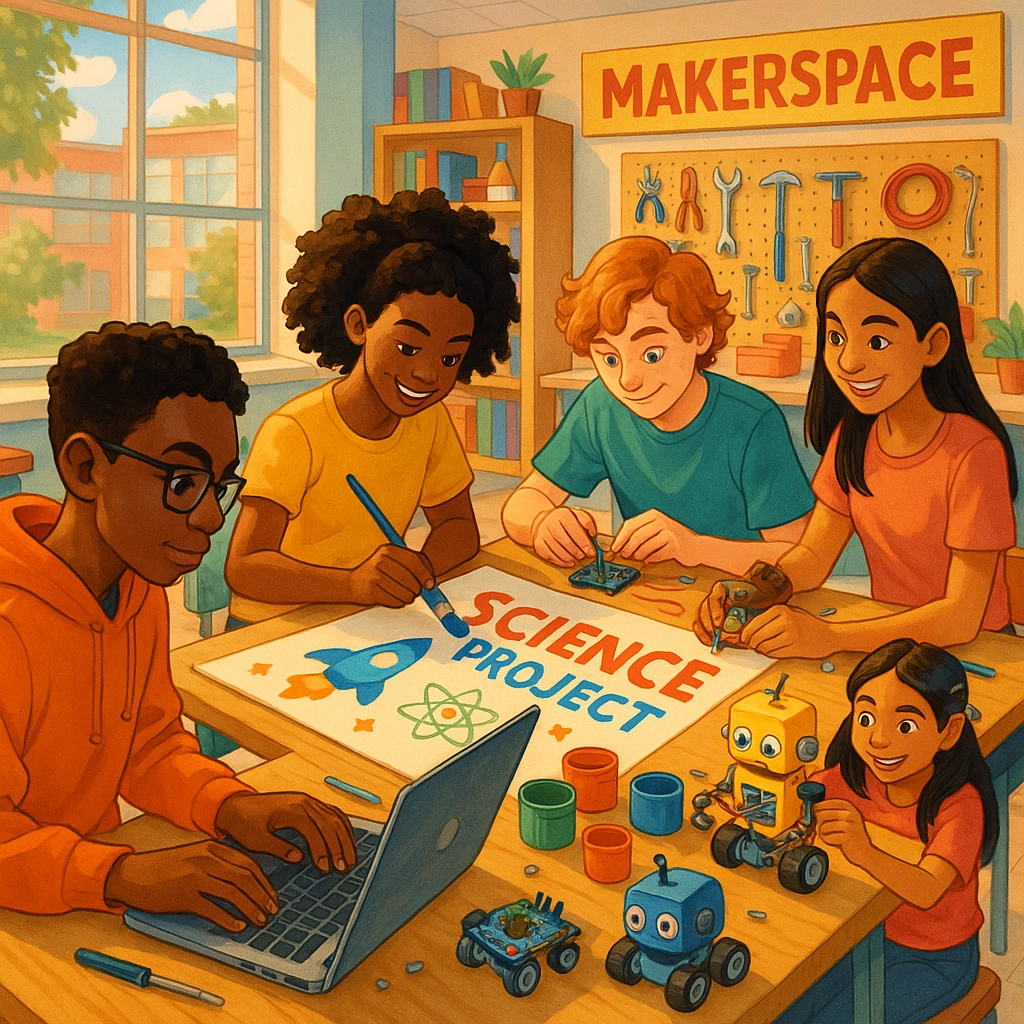
Technology-Enhanced Learning
Technology is the backbone for students who learn outside traditional classroom walls. With 1:1 devices, collaboration apps, and digital tools, students are more empowered than ever.
- Anywhere, anytime learning: Students get 24/7 access to lessons, teachers, and resources—so learning fits life, not just a school schedule.
- Real connection, even from a distance: Virtual spaces let classmates work together, share ideas, and feel part of a community—even if they're logging in from miles apart.
- Goal-based learning: Tech gives teachers superpowers to personalize assignments, offer instant support, and challenge each learner just enough.
- Private help channels: No need to stress about speaking up in class—students can DM or chat with their teacher whenever they need help.
Thanks to smart tech, students can learn where they feel comfortable and supported—which is a total game-changer.
Comprehensive Support Systems
Success in alternative and virtual schools goes way beyond test scores. Let’s be real—students show up with their whole lives, not just their homework. The best programs know this and make sure students get the full support they deserve.
Here’s what strong support looks like:
- Access to counselors who get it: Students can talk through challenges—academic or personal—without judgment.
- Flexible schedules that fit real life: Whether students are working, parenting, or just need to learn on a different clock, there’s a path that fits.
- Advisors and mentors: Friendly adults check in, help set goals, and nudge students back on track when life throws curveballs.
- Wraparound help: Think childcare, a bus pass, or even therapy referrals—so learning isn’t pushed aside by basic needs.
When schools meet students where they are, you see more confidence and a bigger sense of possibility. 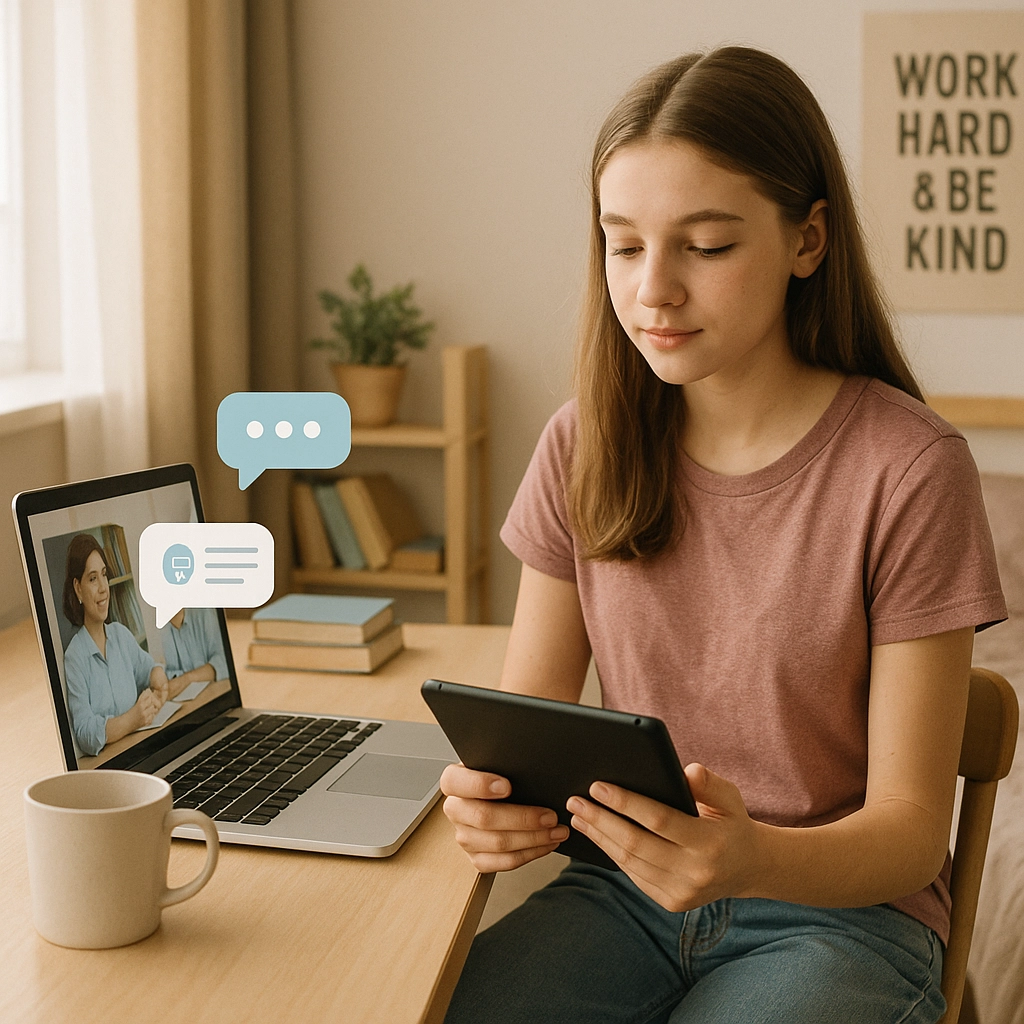
Real-World Learning Experiences
Alternative and virtual programs shine when it comes to connecting learning to the outside world—making school experience feel relevant.
You might see:
- Internships and job shadowing: Hands-on time with local businesses or leaders gives a taste of real careers.
- Volunteer projects that matter: Students learn leadership and teamwork by actually giving back.
- Life and work skills classes: Want to nail your first job interview? Understand taxes? Create a killer presentation? This is where you learn that stuff.
- Capstone projects: The finale—students solve a real problem or create something big, then share it with teachers and the community.
This approach helps students turn “school knowledge” into “life skills”—and see just how far they can go.
Recognizing Prior Learning & Experience
One of the coolest things about nontraditional programs? They recognize that students already bring a ton to the table. Adults changing careers, kids with part-time jobs, or anyone who’s learned on the go can get credit for those experiences.
- Credit where it’s due: Whether you’ve worked, volunteered, or served in the military, your experience can earn you a head start.
- Custom learning paths: If you’ve already mastered something, there’s no need to repeat it. You’ll just move forward from where you are.
- Portfolios count: Instead of big, stressful exams, you can prove your learning through real work—presentations, projects, or demonstrations.
It’s about what you can do, not just how long you’ve spent in class.
Small Classes, Big Impact
Alternative schools and virtual cohorts usually keep things small—think way smaller than a typical high school.
- Teachers actually know your name: There’s room to connect, ask for help, and get noticed for your strengths.
- Safe, tight-knit communities: Smaller classes help students feel comfortable and supported, making it easier to show up as your real self.
- Real participation: It’s a lot harder to hide at the back of the class—everyone gets to join discussions and hands-on projects.
These “mini” school families are great for students who felt lost, ignored, or picked on in bigger settings. 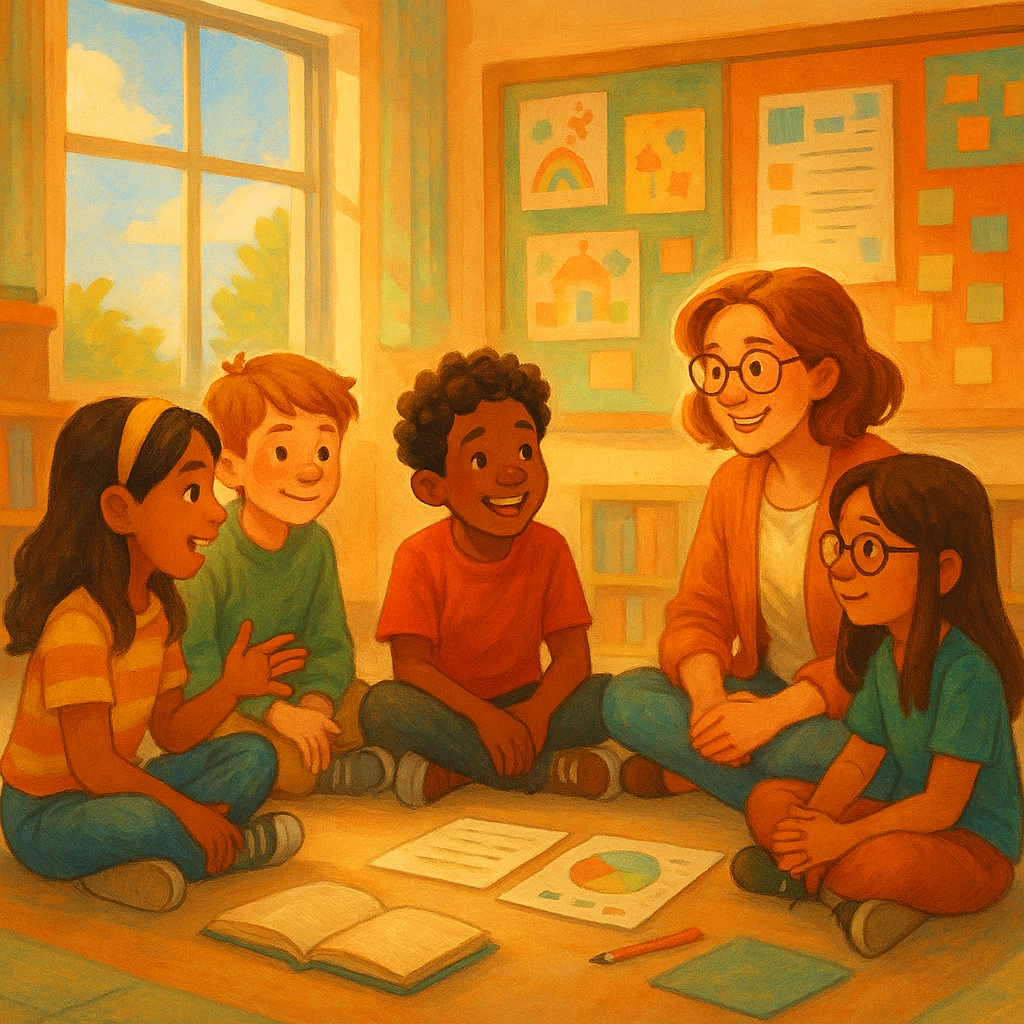
Tracking Success: Data That Matters
Alternative and virtual programs use data that actually matters to students and families. Forget endless standardized tests—these schools track real-life growth.
- Meaningful attendance: It’s not just about being present. It’s about logging in, finishing work, and genuinely engaging.
- Real graduation stats: Focus is on students crossing the finish line, not just starting the race.
- Measurable growth: Every bit of progress gets celebrated, even if students start from different places.
- Mastery measured through action: Projects and presentations show what students can actually do in the world—not just what they can circle on a scantron.
With this kind of smart tracking, schools help students grow in ways that actually count.
Building Supportive and Inclusive Communities
Belonging might be the most underrated superpower for student success. The best alternative programs make sure everyone feels included, both online and in-person.
- Advisory circles: Small group check-ins build trust, share wins, and let everyone feel heard.
- Peer-to-peer guidance: Older students or grads give real talk and show that yes, this path works.
- Celebration of every story: All abilities, cultures, and perspectives are welcomed and valued.
When students know they belong, they’re way more likely to ask for help, take positive risks, and surprise themselves with what they can accomplish.
Alternative and virtual education isn’t a last resort or a loophole. It’s a real answer for real students—designed to make learning possible, personal, and empowering. At Flex360, we’re all-in on creating systems that lift up every learner, because everyone deserves an education that actually fits.